
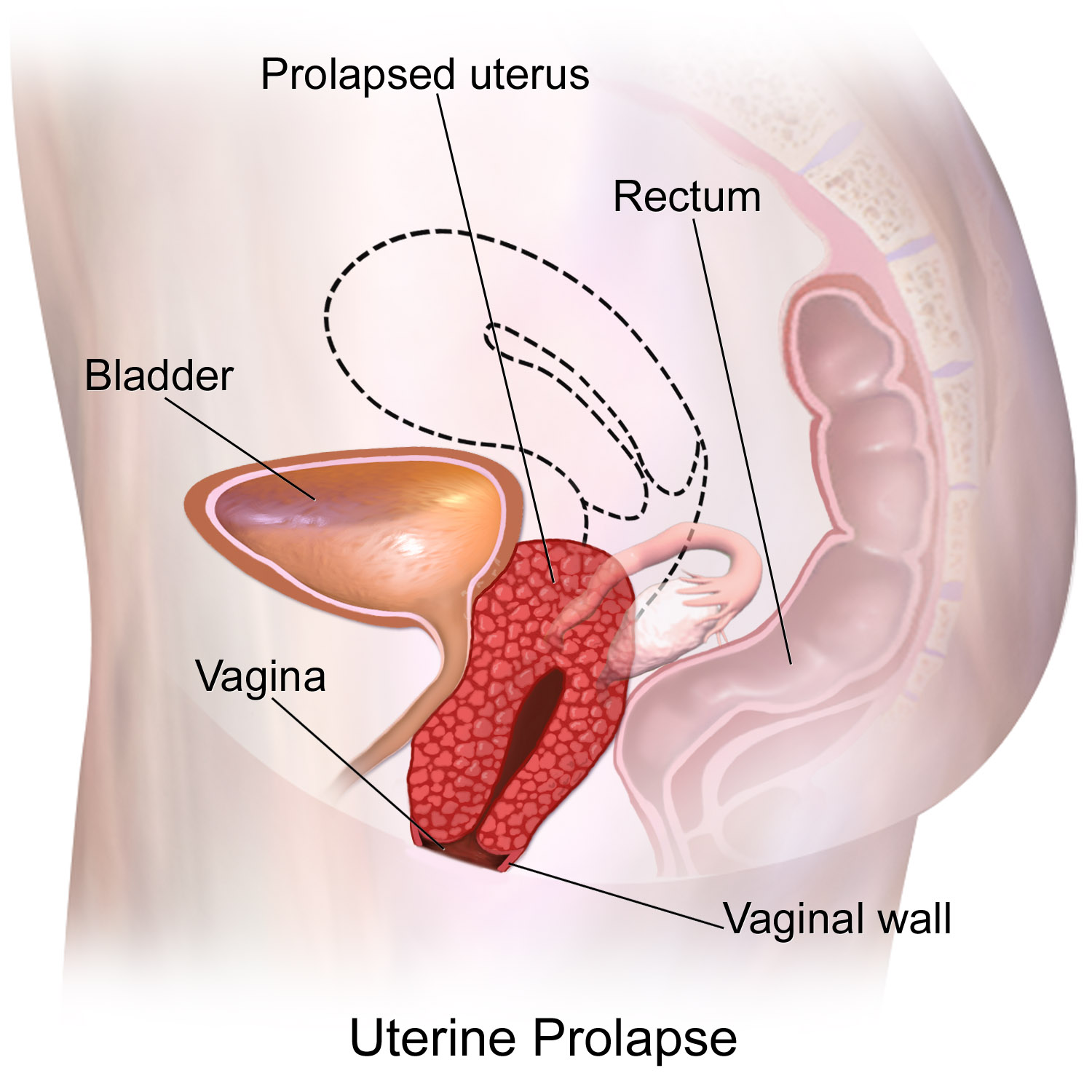
Uterine Prolapse
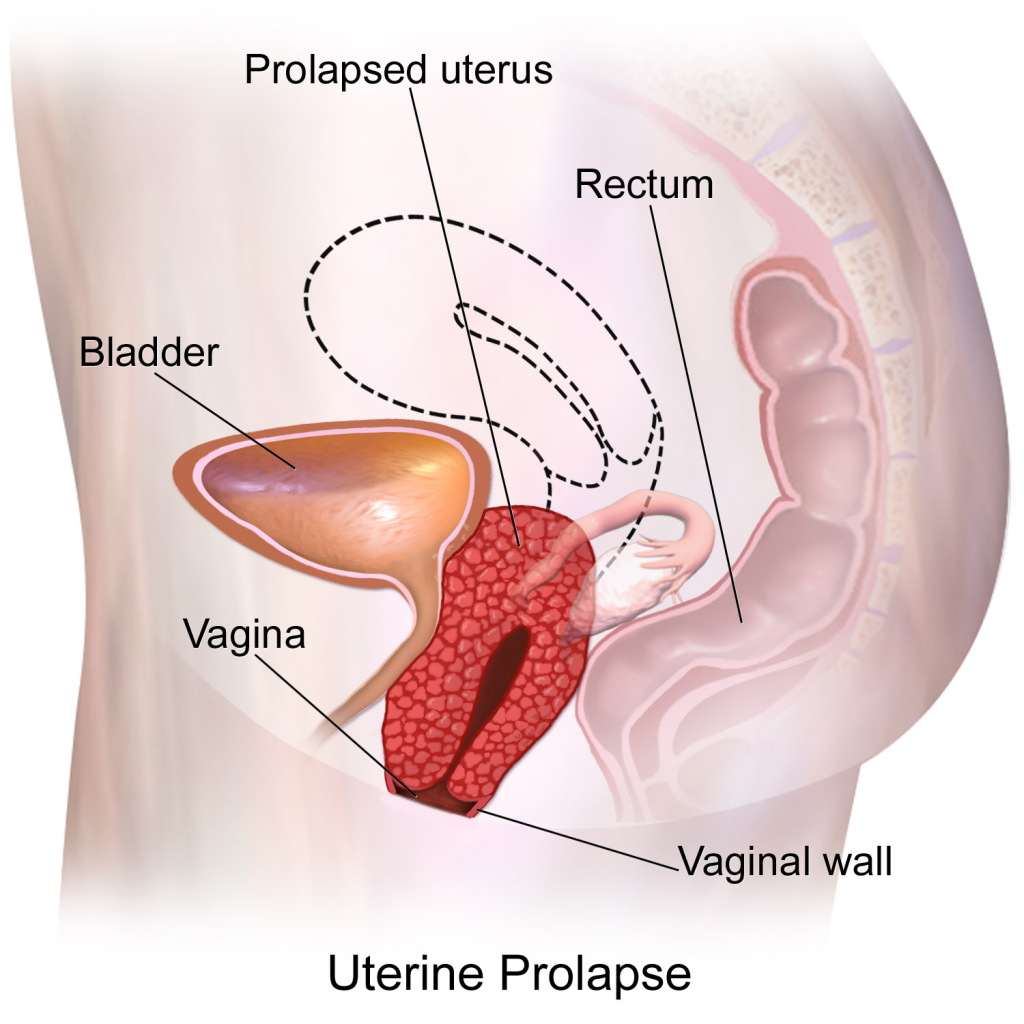
Uterine prolapse is a pelvic floor condition in which the uterus descends from its normal position into the vaginal canal due to weakening of the muscles, ligaments, and connective tissues that support it. It may develop after childbirth, with advancing age, after menopause, or due to factors that place repeated pressure on the pelvic floor.
Women searching for homoeopathic treatment for uterine prolapse often want to understand their symptoms and explore available healthcare options. The appropriate approach depends on the severity of the prolapse, the symptoms experienced, and the individual's overall health. A proper gynaecological assessment is essential to determine the most suitable treatment.
What Is Uterine Prolapse?
The uterus is supported by a network of pelvic floor muscles and connective tissues that help maintain its normal position. When these supporting structures become weakened or stretched, the uterus may gradually move downward towards or into the vagina.
Uterine prolapse can range from mild cases with minimal symptoms to advanced cases in which the uterus protrudes through the vaginal opening. Early assessment can help identify the severity of the condition and guide appropriate management.
Common Symptoms of Uterine Prolapse
The symptoms of uterine prolapse can differ from one woman to another. Some women experience mild discomfort, while others may notice changes that affect their daily activities.
Common symptoms include:
- Pelvic pressure or heaviness: A feeling of fullness or dragging in the lower abdomen.
- Vaginal bulging: A sensation of tissue coming down or a visible bulge in the vaginal area.
- Lower back discomfort: Aching or pressure around the lower back and pelvis.
- Urinary difficulties: Frequent urination, difficulty passing urine, or a feeling of incomplete bladder emptying.
- Bowel movement problems: Constipation or difficulty passing stools.
- Discomfort during intercourse: Pain or discomfort during sexual activity.
- Vaginal irritation: Irritation, spotting, or discomfort, particularly when tissue protrudes outside the vagina.
Some women with mild uterine prolapse may not experience noticeable symptoms. Persistent symptoms should be evaluated by a qualified healthcare professional.
Causes and Risk Factors of Uterine Prolapse
Uterine prolapse develops when the structures supporting the uterus become weakened or damaged. Several factors may contribute to this condition.
Common Risk Factors
- Pregnancy and childbirth: Pregnancy and vaginal delivery can place strain on the pelvic floor.
- Multiple vaginal deliveries: Repeated childbirth may increase the risk of pelvic support problems.
- Ageing: Pelvic floor tissues may become weaker with age.
- Menopause: Hormonal changes may affect the strength and elasticity of pelvic tissues.
- Chronic constipation: Repeated straining during bowel movements can increase pressure on the pelvic floor.
- Persistent coughing: Long-term coughing places repeated stress on pelvic support structures.
- Excess body weight: Increased abdominal pressure may contribute to pelvic floor weakness.
- Heavy lifting: Frequent heavy lifting can increase pressure on the pelvic floor.
- Previous pelvic surgery: Certain procedures may affect pelvic support structures.
Having one or more risk factors does not necessarily mean that a woman will develop uterine prolapse.
Homoeopathy for Uterine Prolapse
Women looking for homeopathic treatment for uterine prolapse may be interested in a complementary approach to their overall healthcare. A homoeopathic consultation may involve discussing symptoms, medical history, lifestyle, and general well-being.
However, there is currently insufficient reliable scientific evidence that homoeopathy can reverse uterine prolapse, strengthen weakened pelvic support tissues, or provide an effective treatment for this condition.
Homoeopathy should not replace a gynaecological examination or delay evidence-based treatment. Women experiencing symptoms of uterine prolapse should first seek an appropriate medical assessment to understand the extent of the condition and available management options.
Medical Management of Uterine Prolapse
The treatment of uterine prolapse depends on its severity, the symptoms it causes, and the patient's individual needs. A gynaecologist may recommend one or more of the following options:
- Pelvic floor muscle training: Guided exercises may help strengthen pelvic floor muscles and improve some symptoms.
- Lifestyle modifications: Managing constipation, avoiding repeated straining, and adjusting heavy-lifting activities may help reduce pressure on the pelvic floor.
- Vaginal pessary: A removable medical device placed in the vagina to support the pelvic organs.
- Surgical treatment: Surgery may be considered when the prolapse is more advanced or symptoms significantly affect quality of life.
Not every woman requires surgery. A qualified gynaecologist can explain the benefits, limitations, and suitability of each option.
Why Is Early Evaluation Important?
Early evaluation of uterine prolapse helps identify the degree of pelvic organ descent and determine whether treatment is necessary. It also allows a healthcare professional to assess associated bladder, bowel, or vaginal symptoms.
Women should seek prompt medical advice if they notice a vaginal bulge, persistent pelvic pressure, or difficulty urinating. Inability to pass urine, severe pain, heavy bleeding, or a protruding area that becomes severely swollen or discoloured requires urgent medical attention.
Frequently Asked Questions About Uterine Prolapse
1. Can uterine prolapse be treated without surgery?
Yes, some women can manage their symptoms without surgery. Depending on the severity, options may include pelvic floor muscle training, lifestyle changes, and a vaginal pessary. A gynaecologist can help determine the most appropriate approach.
2. Can homoeopathy cure uterine prolapse?
There is no reliable scientific evidence that homoeopathy cures uterine prolapse or restores weakened pelvic support structures. Medical assessment and evidence-based management remain important.
3. Is uterine prolapse common after childbirth?
Pregnancy and childbirth can weaken or strain pelvic floor support structures, increasing the risk of uterine prolapse. However, not every woman who gives birth develops this condition.
4. Can uterine prolapse worsen over time?
Uterine prolapse may remain stable or progress over time. Changes depend on factors such as pelvic floor support, ongoing abdominal pressure, and the severity of the condition. Regular medical assessment can help guide management.
5. Which doctor should I consult for uterine prolapse?
A qualified gynaecologist is the appropriate specialist for diagnosing uterine prolapse and discussing treatment options based on its severity and associated symptoms.
Conclusion
Uterine prolapse is a pelvic floor condition that can cause vaginal bulging, pelvic heaviness, urinary difficulties, and other uncomfortable symptoms. Understanding the causes, recognising the warning signs, and seeking timely medical advice are important steps towards effective management.
If you are exploring homoeopathic treatment for uterine prolapse, make an informed decision with guidance from qualified healthcare professionals. A proper gynaecological assessment can help you understand your condition and choose an appropriate treatment plan based on your individual needs.